The Best Self-Care Pet Apps and Self-Care Games in 2026
By the MindScout team · Updated September 2026 · 6 apps · 8 min read
A self-care pet app gives your daily self-care a character to look after. You drink a glass of water, step outside, write two lines about your day or take a few slow breaths, and a virtual pet, a companion or a little game world grows because of it. For many people that small, cute bit of responsibility is what finally turns good intentions into a habit.
These are the self-care pet apps and gamified self-care apps listed on MindScout, ranked by likes from our community. Each entry shows what the app is best for, its App Store and Google Play ratings, its pricing and a screenshot. After the list you will find how the pet and game mechanics work, what separates a self-care companion from a pet, what to look for in a cute or aesthetic app, how to choose, and answers to common questions.
Focus timers that grow a plant or a pet while you work are a different kind of tool and are not on this list. Self-care apps support your wellbeing; they are not a replacement for professional care.
Our picks at a glance
- 1.Finch — best for self-care (Free, in-app purchases from $1.99)
- 2.ModernSam — best for ADHD (Free, in-app purchases from $2.99)
- 3.Loomi - Habit tracker buddy — best for virtual pet (See website)
- 4.Quabble — best for mental health (Free, in-app purchases from $0.99)
- 5.Habitica — best for gamification (Free, in-app purchases from $0.99, contains ads)
- 6.Rabit: Habit Tracker & Planner — best for habit tracker (Free, in-app purchases from $1.99, contains ads)
| App | Best for | App Store | Google Play | Pricing | Platforms |
|---|---|---|---|---|---|
| 1Finch | Self-care | 4.9★ (755K) | 4.9★ (624K) | Free, in-app purchases from $1.99 | iOS, Android |
| 2ModernSam | ADHD | 4.8★ (71) | 4.3★ (498) | Free, in-app purchases from $2.99 | iOS, Android |
| 3Loomi - Habit tracker buddy | Virtual pet | — | — | — | iOS |
| 4Quabble | Mental health | 4.8★ (4.2K) | 4.6★ (12.9K) | Free, in-app purchases from $0.99 | iOS, Android |
| 5Habitica | Gamification | 4.3★ (3.4K) | 4.7★ (75.5K) | Free, in-app purchases from $0.99, contains ads | iOS, Android |
| 6Rabit: Habit Tracker & Planner | Habit tracker | 4.7★ (193) | 3.6★ (26.2K) | Free, in-app purchases from $1.99, contains ads | iOS, Android |
How we evaluated these apps
- Every app is listed on MindScout and was reviewed by our team before it was published.
- Apps are ordered by likes from the MindScout community.
- Ratings and the number of ratings come from the public App Store and Google Play listings.
- Pricing is taken from those listings: the price, in-app purchases and whether the app shows ads.
- Store data is refreshed regularly; check the store for the latest price in your country.

1. Finch: Best for self-care
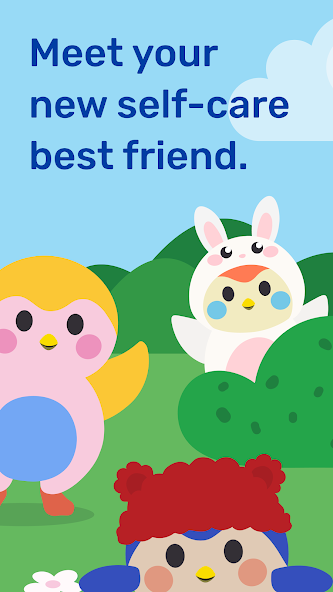
A cute virtual pet bird that helps you build self‑care habits by completing daily wellness tasks.
- Platforms
- iOS, Android
- Pricing
- Free, in-app purchases from $1.99
- MindScout likes
- 6
Finch is a gamified self‑care app where you raise a virtual bird by completing quick mental health and wellness exercises—like mood journaling, breathing, quizzes and habit tracking. As your bird grows, you earn rewards (‘rainbow stones’) to customize it and its home. Features include daily check-ins, insights, social support via friends, seasonal events, and a premium Finch Plus option for extra customization and deeper tracking. Created to promote positive habits, mental resilience, and self‑love by making self‑care fun and engaging.
Tags: self-care, mental health, habit tracker, virtual pet, mindfulness, gamification

2. ModernSam: Best for ADHD
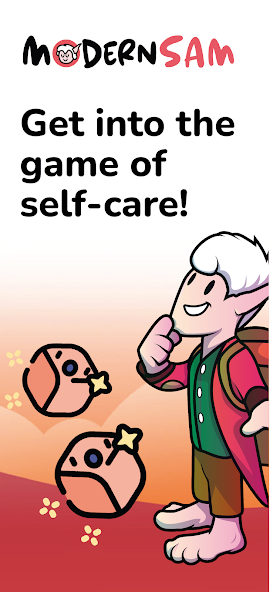
An RPG‑style self‑care and productivity app designed for ADHD users.
- Platforms
- iOS, Android
- Pricing
- Free, in-app purchases from $2.99
- MindScout likes
- 3
ModernSam gamifies life tasks by turning them into quests with XP, coins, beasts and archetype progression. Designed for ADHD support, it offers immersive storylines, character classes and community challenges. Tasks like focus, fitness, self‑care become in‑game actions, and it was Kickstarter‑funded by ADHD‑diagnosed founder aiming to solve motivation gaps
Tags: ADHD, productivity, gamification, self-care

3. Loomi - Habit tracker buddy: Best for virtual pet
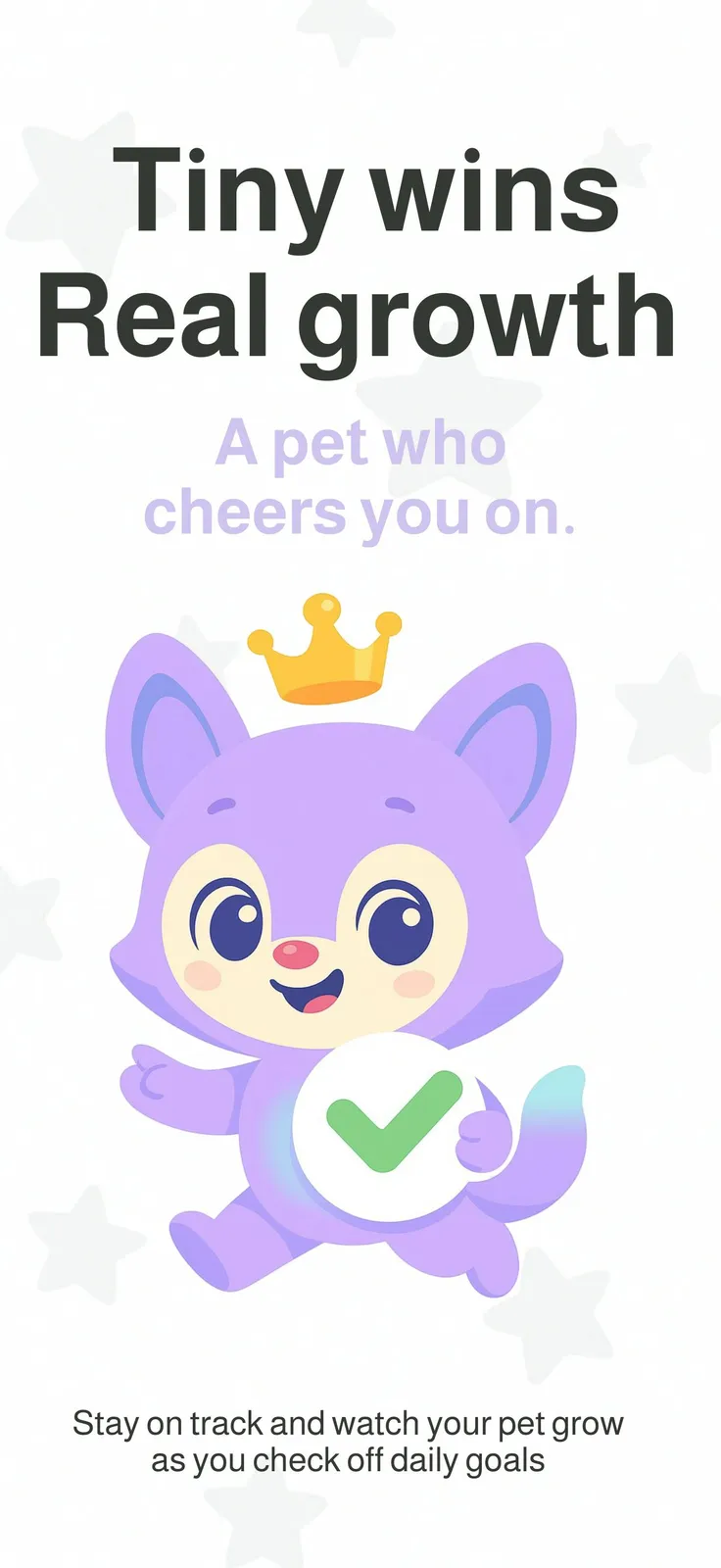
A self-care habit tracker that grows your virtual pet
- Platforms
- iOS
- Pricing
- See website
- MindScout likes
- 2
Loomi is a gamified habit tracker where your self-care fuels the growth of a virtual pet. Build better routines, stay consistent, and watch your companion evolve with you. Designed to make wellness feel fun, rewarding, and emotionally engaging.
Tags: virtual pet, apple, habit tracker

4. Quabble: Best for mental health
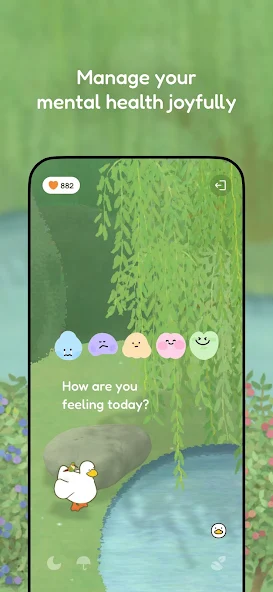
An all‑in‑one mental wellness app with mind workouts, journaling, meditation and a cute virtual companion.
- Platforms
- iOS, Android
- Pricing
- Free, in-app purchases from $0.99
- MindScout likes
- 2
Quabble by museLIVE Inc. offers holistic daily mental wellness tools—from mood tracking, meditation, journaling, sleep routines to anxiety and stress management. It guides you through structured mind workouts like Gratitude Jar, Bamboo Forest and Proud Dandelion, and features a virtual duck companion and community support. Includes a 15‑day First Bloom habit program, wellness radar, and home-screen widgets to keep routines top‑of‑mind.
Tags: mental health, self-care, journaling, meditation, virtual companion, habit tracker

5. Habitica: Best for gamification
Gamified habit & task tracker with retro avatars
- Platforms
- iOS, Android
- Pricing
- Free, in-app purchases from $0.99, contains ads
- MindScout likes
- 1
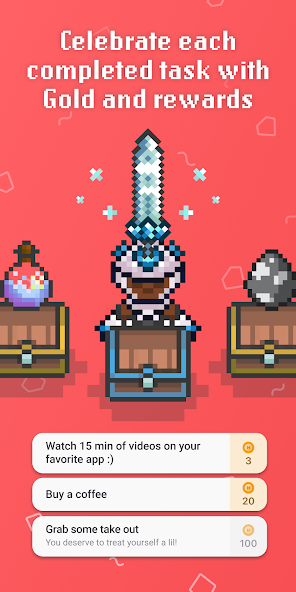
Habitica turns your life into an RPG. Create habits, dailies, and to-dos; earn gold and gear when you succeed, or take damage when you slip. Social quests and pets keep habit building fun and accountable.
Tags: gamification, habit tracker, routine, productivity, free

6. Rabit: Habit Tracker & Planner: Best for habit tracker
Gamified habit tracker with plant-themed streak visuals
- Platforms
- iOS, Android
- Pricing
- Free, in-app purchases from $1.99, contains ads
- MindScout likes
- 1
Rabit helps you build consistent routines by planting virtual “seeds” for each habit. Each day you complete a habit, your plant grows—and if you miss a day, it wilts. The app includes streak tracking, reminders, a timer, progress stats, and playful plant visuals, with optional premium features for enhanced experience.
Tags: habit tracker, gamification, routine, productivity, free
Best free options
- Finch: Free, in-app purchases from $1.99
- ModernSam: Free, in-app purchases from $2.99
- Quabble: Free, in-app purchases from $0.99
- Habitica: Free, in-app purchases from $0.99, contains ads
- Rabit: Habit Tracker & Planner: Free, in-app purchases from $1.99, contains ads
How self-care pet apps work
Almost every self-care pet app runs on the same loop. You set a handful of small goals for the day, such as drinking water, stretching, taking medication on time, going to bed earlier or checking in with your mood. Each goal you complete gives your pet energy, experience or a currency, and the pet grows, goes on adventures, or earns new clothes and furniture for its home.
What makes the loop work is that the pet is not the point; you are. The goals are yours, the pet simply makes them visible and gives you a reason to open the app on days when looking after yourself feels like a chore. Many people find it easier to do something kind for a small creature that depends on them than to do the same thing for themselves.
Most apps add a daily mood check-in, short reflection prompts or a breathing exercise, so the app becomes a light self-care routine rather than only a to-do list with a mascot. Some also let friends see each other’s pets or send encouragement, which adds a gentle social nudge.
Gamified self-care apps and self-care games
Not every gamified self-care app has a pet. Some borrow from role-playing games instead: habits and daily tasks become quests, and completing them earns experience points, gold, gear or new abilities for an avatar. A few add consequences, so a missed habit costs your character health, and some let you team up with friends on shared quests.
Others use simpler visual rewards. A plant grows each day you complete a habit and wilts if you skip it, or a streak turns into a small landscape that fills in over the weeks. These are quieter than a full game but give the same sense of progress.
Game mechanics suit people who like clear goals, collecting things and seeing progress add up. They suit people less if penalties and streaks make them anxious. If you are in that second group, look for an app where missing a day pauses progress rather than punishing it, or where the pet simply waits for you to come back.
A self-care companion versus a self-care pet
The words overlap, but the apps feel different. A self-care pet is something you raise: it starts small, depends on your daily goals and changes as you keep going. A self-care companion is more of a guide: a friendly character that walks you through check-ins, mind workouts, journaling or meditation, and stays roughly the same while you use it.
A companion-style app usually offers a broader set of mental wellness exercises and less of a game. A pet-style app is lighter on exercises and heavier on customisation and rewards. Neither is better; it comes down to whether you want a coach with a cute face or a creature to care for. If you want a companion you can talk to in full sentences, that is an AI companion, and those are covered in our self-care and journaling guides.
Cute and aesthetic self-care apps
For a lot of people the look of the app is not a detail; it is the reason they keep opening it. Soft colours, hand-drawn characters, cosy rooms to decorate and seasonal outfits make a two-minute check-in feel like a small treat rather than a task. Many self-care pet apps also offer home-screen widgets, so the pet sits next to your other apps and reminds you without a notification.
An aesthetic app still has to do the job. Before you commit, check that it has the tools you need, such as mood tracking, a journal, breathing exercises or custom goals, and that the cute parts do not hide the settings you need, like reminders and data export. Look at the screenshots on each app page to see the style before you download.
Free and paid self-care pet apps
Most self-care pet apps are free to start. The pet, the daily goals and the basic check-ins are usually free, and a subscription or one-off purchases unlock extra customisation, deeper insights or more exercises. Some game-style apps are free with optional purchases for cosmetic items.
The pricing shown on each entry comes from the App Store and Google Play listings, including the lowest in-app purchase. Prices change by country, so check the store before paying, and look at whether a free trial turns into a subscription automatically.
How to choose
- Decide what keeps you going: a pet that grows, a character that levels up, or a calm companion that guides you. Try one of each style if you are unsure.
- Look at the self-care tools behind the pet, such as mood check-ins, journaling, breathing or custom goals, and make sure the ones you need are there.
- Check what happens when you miss a day. Gentle apps pause or wait for you; stricter ones take away health or break a streak.
- See how much of the app is free. Many keep the pet and daily goals free and charge for customisation.
- If you enjoy the social side, look for friends lists or shared quests; if you want privacy, check that you can use the app without them.
- Compare store ratings together with the number of ratings, and look at the screenshots to see whether the art style suits you.
Frequently asked questions
What is a self-care pet app?
An app where a virtual pet or companion grows as you complete small self-care goals, such as drinking water, going outside, journaling or checking in with your mood. The pet makes your progress visible and gives you a reason to come back each day.
What is the best self-care pet app?
The list above is ordered by likes from the MindScout community, and each entry says what the app is best for. Start with the one whose style appeals to you: a pet you raise, a game with quests, or a companion that guides you through exercises.
Are self-care games good for your mental health?
They can help with motivation and routine, which many people struggle with when they feel low. They are not a treatment. If low mood or anxiety has affected your daily life for a couple of weeks or more, talk to a doctor or a mental health professional.
What happens to my pet if I miss a day?
It depends on the app. In many self-care pet apps the pet simply waits for you, or its progress pauses. Game-style apps may take health from your character or break a streak, so read the app page if that would put you off.
Are there free self-care pet apps?
Yes. Most apps here can be used for free, with optional purchases for extra customisation or features. The free options are listed below the app entries.
Are self-care pet apps only for kids?
No. Many are designed with adults in mind, with goals such as sleep, stress and daily routines. The cute style is part of the appeal at any age.
How are these apps ranked?
By the number of likes each app has from the MindScout community. Store ratings and pricing are shown for reference and do not change the order.
Which of these apps are free?
5 of the 6 apps here can be used for free: Finch (free, in-app purchases from $1.99); ModernSam (free, in-app purchases from $2.99); Quabble (free, in-app purchases from $0.99); Habitica (free, in-app purchases from $0.99, contains ads); Rabit: Habit Tracker & Planner (free, in-app purchases from $1.99, contains ads). Store pricing can differ by country.