The Best Apps for Deep Sleep and Relaxation in 2026
By the MindScout team · Updated September 2026 · 5 apps · 7 min read
The best app for deep sleep is not one that promises to change your sleep stages. It is one that helps you stop thinking, relax your body and fall asleep at a regular time, night after night, because that is what gives deep sleep a chance. The apps here do that with sleep stories, soundscapes, guided sleep meditations, breathing and mindful dream practices.
These are the apps listed on MindScout that include sleep content alongside meditation or relaxation, ranked by likes from our community. Each entry shows what the app is best for, its App Store and Google Play ratings, its pricing and a screenshot. After the list you will find what deep sleep is and what an app can realistically do, relaxation techniques for bedtime, mindfulness for sleep, how to set up your phone so it does not keep you awake, and answers to common questions.
Sleep apps can help you wind down; they do not treat sleep disorders. If poor sleep affects your days for weeks, talk to a doctor.
Our picks at a glance
- 1.Mindful Slumber: Tibetan Dream Yoga — best for anxiety (Free, in-app purchases from $1.99, contains ads)
- 2.Calm — best for meditation (Free, in-app purchases from $0.99)
- 3.Quabble — best for mental health (Free, in-app purchases from $0.99)
- 4.Headspace — best for meditation (Free, in-app purchases from $4.99)
- 5.Insight Timer — best for meditation (Free, in-app purchases from $1.99)
| App | Best for | App Store | Google Play | Pricing | Platforms |
|---|---|---|---|---|---|
| 1Mindful Slumber: Tibetan Dream Yoga | Anxiety | Few ratings yet | Few ratings yet | Free, in-app purchases from $1.99, contains ads | iOS, Android |
| 2Calm | Meditation | 4.8★ (2.0M) | 4.5★ (616K) | Free, in-app purchases from $0.99 | iOS, Android |
| 3Quabble | Mental health | 4.8★ (4.2K) | 4.6★ (12.9K) | Free, in-app purchases from $0.99 | iOS, Android |
| 4Headspace | Meditation | 4.8★ (974K) | 4.3★ (340K) | Free, in-app purchases from $4.99 | iOS, Android |
| 5Insight Timer | Meditation | 4.9★ (447K) | 4.7★ (262K) | Free, in-app purchases from $1.99 | iOS, Android |
How we evaluated these apps
- Every app is listed on MindScout and was reviewed by our team before it was published.
- Apps are ordered by likes from the MindScout community.
- Ratings and the number of ratings come from the public App Store and Google Play listings.
- Pricing is taken from those listings: the price, in-app purchases and whether the app shows ads.
- Store data is refreshed regularly; check the store for the latest price in your country.
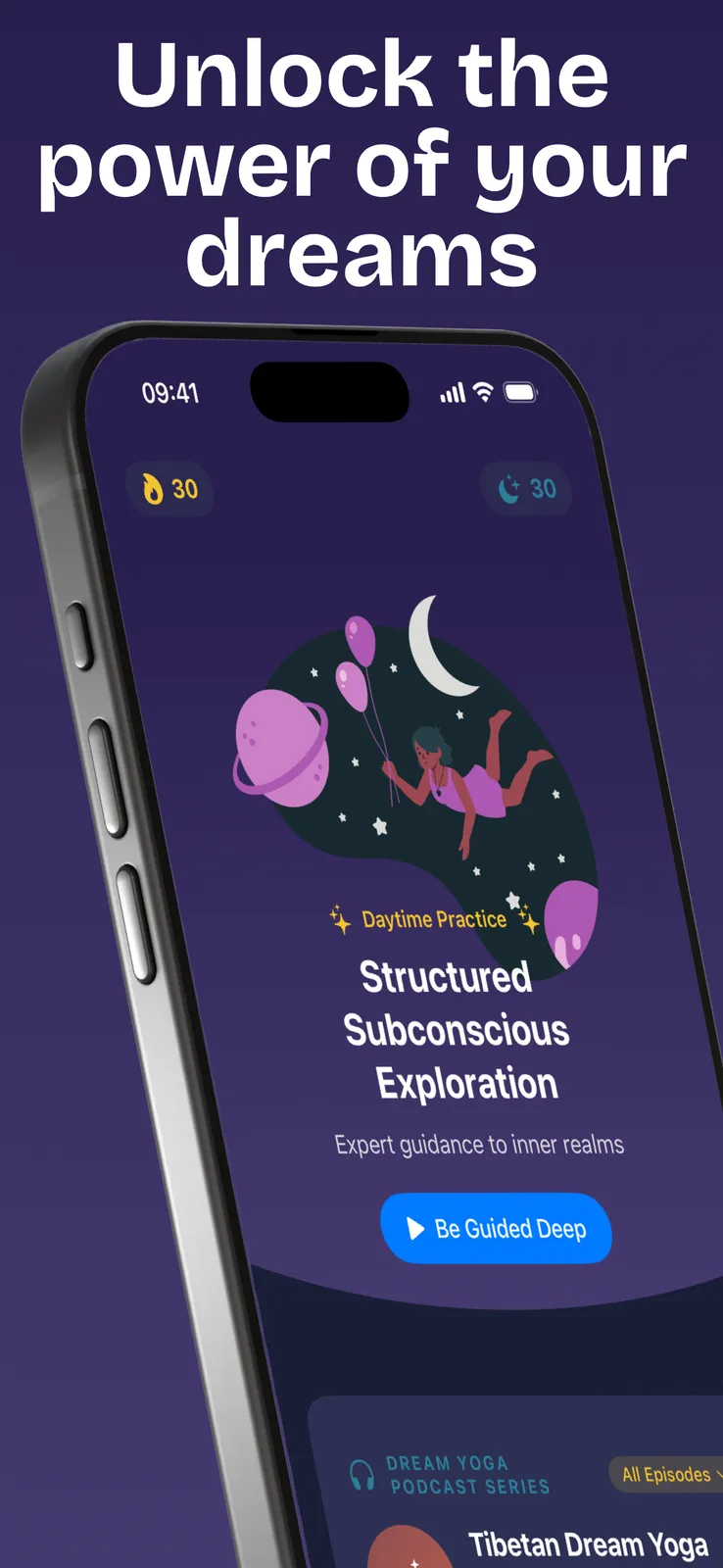
1. Mindful Slumber: Tibetan Dream Yoga: Best for anxiety
Tibetan Dream Yoga for a Calm Mind & Restful Sleep
- Platforms
- iOS, Android
- Pricing
- Free, in-app purchases from $1.99, contains ads
- MindScout likes
- 4
Mindful Slumber isn’t just a sleep tracker or another meditation app. It’s designed to help you: 🌌 Use lucid dreaming as a healing practice → Face and process anxiety, fear, trauma, and subconscious patterns safely in dreams. 🛌 Sleep more mindfully, dream with intention → Learn ancient Tibetan Dream Yoga practices in modern, approachable steps. 🧠 Grow through your unconscious → Cultivate awareness while dreaming to spark real-world insights, emotional release, and spiritual growth.
Tags: anxiety, meditation, self-care, relaxation, sleep
2. Calm: Best for meditation
Sleep stories, meditation, music & relaxation
- Platforms
- iOS, Android
- Pricing
- Free, in-app purchases from $0.99
- MindScout likes
- 2
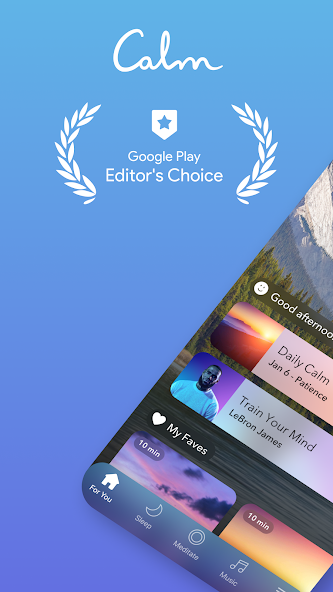
Calm is a top-rated app for sleep, meditation, relaxation, breathwork, and stress reduction. It includes guided sessions, sleep stories, soundscapes, stretching exercises, and self-healing tools supported by science.
Tags: meditation, sleep, relaxation

3. Quabble: Best for mental health
An all‑in‑one mental wellness app with mind workouts, journaling, meditation and a cute virtual companion.
- Platforms
- iOS, Android
- Pricing
- Free, in-app purchases from $0.99
- MindScout likes
- 2
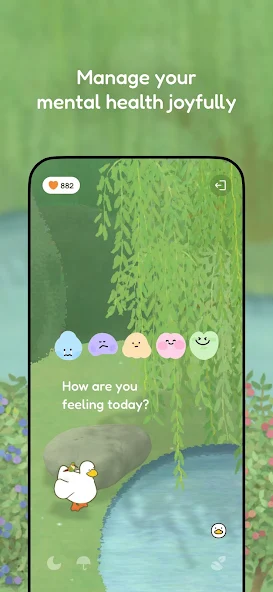
Quabble by museLIVE Inc. offers holistic daily mental wellness tools—from mood tracking, meditation, journaling, sleep routines to anxiety and stress management. It guides you through structured mind workouts like Gratitude Jar, Bamboo Forest and Proud Dandelion, and features a virtual duck companion and community support. Includes a 15‑day First Bloom habit program, wellness radar, and home-screen widgets to keep routines top‑of‑mind.
Tags: mental health, self-care, journaling, meditation, virtual companion, habit tracker
4. Headspace: Best for meditation
Meditation, mindfulness & sleep with expert guidance
- Platforms
- iOS, Android
- Pricing
- Free, in-app purchases from $4.99
- MindScout likes
- 1
Headspace offers guided meditations, sleep sounds, mindfulness tools, stress management, and an AI companion named Ebb. It provides courses on resilience, emotion control, wellness routines, and mental health coaching to support daily well‑being.
Tags: meditation, mindfulness, sleep, relaxation, AI companion, self-care

5. Insight Timer: Best for meditation
Free guided meditations & music for calm
- Platforms
- iOS, Android
- Pricing
- Free, in-app purchases from $1.99
- MindScout likes
- 1
Insight Timer is the #1 free meditation app, offering guided meditations, sleep tracks, talks by mindfulness experts, neuroscientists, and psychologists, plus music and tools to reduce anxiety, improve sleep, and support mindfulness.
Tags: meditation, sleep, mindfulness, free
Best free options
- Mindful Slumber: Tibetan Dream Yoga: Free, in-app purchases from $1.99, contains ads
- Calm: Free, in-app purchases from $0.99
- Quabble: Free, in-app purchases from $0.99
- Headspace: Free, in-app purchases from $4.99
- Insight Timer: Free, in-app purchases from $1.99
What deep sleep is, and what an app can do
Deep sleep, or slow-wave sleep, is the stage of sleep in which your brain activity slows most and your body is hardest to wake. It comes mostly in the first half of the night, in cycles that repeat roughly every ninety minutes. It is a normal part of every night, not a mode you can switch on with the right sound.
What an app can do is help with the things that come before it: letting go of the day, calming your breathing, and going to bed at a regular time, so you spend less time lying awake. A consistent bedtime routine with a short relaxation exercise is one of the most practical ways to do that, and it is where sleep and relaxation apps are most useful.
Some apps also track sleep with your phone or a watch. Tracking can show patterns, such as later bedtimes on certain days, but checking a score every morning can make some people more anxious about sleep, not less. If that happens, turn the tracking off and keep the relaxation.
Relaxation apps for sleep: what to use at bedtime
Sleep stories are calm, slow narrations that give your mind something gentle to follow instead of replaying the day. Soundscapes and sleep sounds, such as rain, waves or low hum, mask sudden noises and give the room a steady background. Guided sleep meditations and body scans walk you through relaxing each part of the body in turn.
Breathing exercises are the quickest option. Breathing slowly, with the out-breath a little longer than the in-breath, is a common way to calm down, and many apps pace it for you with a sound or an animation. Stretching or gentle movement before bed can help if tension is what keeps you awake.
Try one type for a week before switching. It is common to find that one kind of audio relaxes you while another keeps you listening.
Mindfulness sleep apps and dream practices
A mindfulness sleep app approaches the problem differently: instead of distracting you, it teaches you to notice thoughts without following them. Short mindfulness practices during the day can make it easier to let thoughts pass at night, which is why several apps here combine sleep content with a wider meditation library.
Some go further and work with the night itself, through practices such as Tibetan dream yoga or lucid dreaming, where you set an intention before sleep and practise awareness in dreams. These are a niche, but they appeal to people who want sleep to be part of a broader meditation practice.
Setting up your phone so it helps you sleep
A phone at bedtime can undo the work of a sleep app. Start the audio, then put the phone face down or out of reach. Use a sleep timer so audio fades out once you are likely to be asleep, and turn on Do Not Disturb so a message does not wake you. Download sessions for offline use if your signal is weak in the bedroom.
Keep the volume low and the screen dim or off; most sleep apps play with the screen locked. If you tend to scroll after starting a session, choose an app that you can start from a widget or a shortcut without opening anything else.
Free and paid sleep and relaxation apps
Many sleep and relaxation apps offer a free tier with a selection of sleep sounds, meditations or stories, and a subscription for the full library. Some are free throughout. The pricing on each entry comes from the App Store and Google Play listings; it varies by country, so check the store before paying, and note whether a free trial renews automatically.
How to choose
- Decide what helps you switch off: a story to follow, background sound, a guided meditation or a breathing exercise.
- Check that sessions play with the screen locked and have a sleep timer that fades audio out.
- Look for offline downloads if your bedroom has a weak signal.
- If you want sleep to be part of a wider practice, choose an app with a full meditation library, not only sleep content.
- Be careful with sleep scores; if tracking makes you anxious, use the relaxation features without it.
- Try the free sessions for a week or two before paying for a subscription.
Frequently asked questions
What is the best app for deep sleep?
There is no app that can switch on deep sleep, but apps with sleep stories, soundscapes, guided sleep meditations or breathing exercises can help you relax and fall asleep more easily. The list above is ranked by MindScout community likes; start with the style that relaxes you most.
Can an app improve my deep sleep?
Indirectly. Deep sleep is a normal part of every night. An app can help you wind down and keep a regular bedtime, which gives you more undisturbed sleep, but it cannot change your sleep stages directly.
What is the best app to relax and sleep?
Look for an app that combines relaxation with sleep content: a guided meditation or breathing exercise to calm down, then stories or sounds that play with the screen locked and fade out with a timer.
Is it OK to fall asleep with a sleep app playing?
For most people, yes. Use a sleep timer so the audio stops, keep the volume low and turn on Do Not Disturb. Some people prefer sound all night, which is fine if it does not wake you.
Do I need a sleep tracker?
No. Relaxation features work without tracking. Tracking can show patterns, but if checking a sleep score makes you worry about sleep, it is better to switch it off.
When should I see a doctor about sleep?
If you regularly take a long time to fall asleep, wake up many times, snore loudly, stop breathing during sleep, or feel exhausted during the day despite enough time in bed, talk to a doctor. An app is not a substitute for treatment.
How are these apps ranked?
By the number of likes each app has from the MindScout community. Store ratings and pricing are shown for reference and do not change the order.
Which of these apps are free?
5 of the 5 apps here can be used for free: Mindful Slumber: Tibetan Dream Yoga (free, in-app purchases from $1.99, contains ads); Calm (free, in-app purchases from $0.99); Quabble (free, in-app purchases from $0.99); Headspace (free, in-app purchases from $4.99); Insight Timer (free, in-app purchases from $1.99). Store pricing can differ by country.