
Community-ranked guide
The Best Self-Care Apps in 2026
A self-care app is a small, everyday tool for looking after yourself: a two-tap mood check-in, a breathing exercise before a hard conversation, a journal at the end of the day, a sleep story, or a virtual pet that nudges you to drink water. The best one is the one you open without having to think about it.
These are the self-care apps listed on MindScout, ranked by likes from our community. For each one you will find what it is best for, its App Store and Google Play ratings, its pricing and a screenshot. After the list come the free options, what to look for as a busy parent, tips for choosing, and answers to common questions.
Self-care apps support your wellbeing; they are not a replacement for professional care.
Our picks at a glance
- 1
 Finchbest for self-careFree, in-app purchases from $1.99
 - 2
 Dayliobest for journalingFree, in-app purchases from $0.99, contains ads
 - 3
 BreathInUbest for anxietyFree, in-app purchases from $5.99
 - 4
 Mindful Slumber: Tibetan Dream Yogabest for anxietyFree, in-app purchases from $9.99, contains ads
 - 5
 Shuubest for ADHDFree
 - 6
 Calmbest for meditationFree, in-app purchases from $0.99
 - 7
 Exoplanbest for ADHDFree, in-app purchases from $9.99
 - 8
 Loomi - Habit tracker buddybest for virtual petSee website
 - 9
 Quabblebest for mental healthFree, in-app purchases from $0.99
 - 10
 Reflectlybest for journalingFree, in-app purchases from $4.99
 - 11
 Stoicbest for journalingFree, in-app purchases from $6.99
 - 12
 CareOpsbest for mental healthSee website
Compare the 12 apps
| App | Best for | App Store | Google Play | Pricing | Platforms |
|---|---|---|---|---|---|
| 1Finch | Self-care | 4.9★ (761K) | 4.9★ (629K) | Free, in-app purchases from $1.99 | iOSAndroid |
| 2Daylio | Journaling | 4.8★ (61.9K) | 4.7★ (463K) | Free, in-app purchases from $0.99, contains ads | iOSAndroid |
| 3BreathInU | Anxiety | Few ratings yet | — | Free, in-app purchases from $5.99 | iOS |
| 4Mindful Slumber: Tibetan Dream Yoga | Anxiety | Few ratings yet | Few ratings yet | Free, in-app purchases from $9.99, contains ads | iOSAndroid |
| 5Shuu | ADHD | Few ratings yet | Few ratings yet | Free | iOSAndroid |
| 6Calm | Meditation | 4.8★ (2.0M) | 4.5★ (616K) | Free, in-app purchases from $0.99 | iOSAndroid |
| 7Exoplan | ADHD | 3.6★ (11) | — | Free, in-app purchases from $9.99 | iOS |
| 8Loomi - Habit tracker buddy | Virtual pet | — | — | — | iOS |
| 9Quabble | Mental health | 4.8★ (4.3K) | 4.6★ (13.2K) | Free, in-app purchases from $0.99 | iOSAndroid |
| 10Reflectly | Journaling | 4.6★ (81.7K) | 4.2★ (40.7K) | Free, in-app purchases from $4.99 | iOSAndroid |
| 11Stoic | Journaling | 4.8★ (35.8K) | 4.5★ (3.4K) | Free, in-app purchases from $6.99 | iOSAndroid |
| 12CareOps | Mental health | — | — | — | iOSAndroid |
How we evaluated these apps
- Every app is listed on MindScout and was reviewed by our team before it was published.
- Apps are ordered by likes from the MindScout community.
- Ratings and the number of ratings come from the public App Store and Google Play listings.
- Pricing is taken from those listings: the price, in-app purchases and whether the app shows ads.
- Store data is refreshed regularly; check the store for the latest price in your country.
1. Finch: Best for self-care
A cute virtual pet bird that helps you build self‑care habits by completing daily wellness tasks.
 Google Play
- Platforms
- iOSAndroid
- Pricing
- Free, in-app purchases from $1.99
- MindScout likes
- 7

Finch is a gamified self‑care app where you raise a virtual bird by completing quick mental health and wellness exercises—like mood journaling, breathing, quizzes and habit tracking. As your bird grows, you earn rewards (‘rainbow stones’) to customize it and its home. Features include daily check-ins, insights, social support via friends, seasonal events, and a premium Finch Plus option for extra customization and deeper tracking. Created to promote positive habits, mental resilience, and self‑love by making self‑care fun and engaging.
2. Daylio: Best for journaling
Micro‑journal for moods & activities in two taps
- Platforms
- iOSAndroid
- Pricing
- Free, in-app purchases from $0.99, contains ads
- MindScout likes
- 5
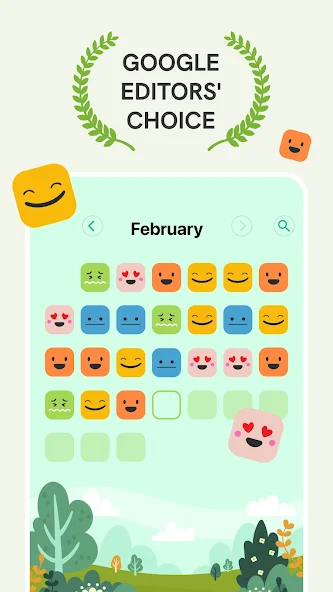
Daylio is a simple micro‑diary that lets you record moods and activities with just two taps. It visualizes patterns through charts and calendars, helps set goals, track habits, and personalize prompts—ideal for daily mood awareness.
3. BreathInU: Best for anxiety
Your calm companion for breathing, stretching, and screen breaks
- Platforms
- iOS
- Pricing
- Free, in-app purchases from $5.99
- MindScout likes
- 4
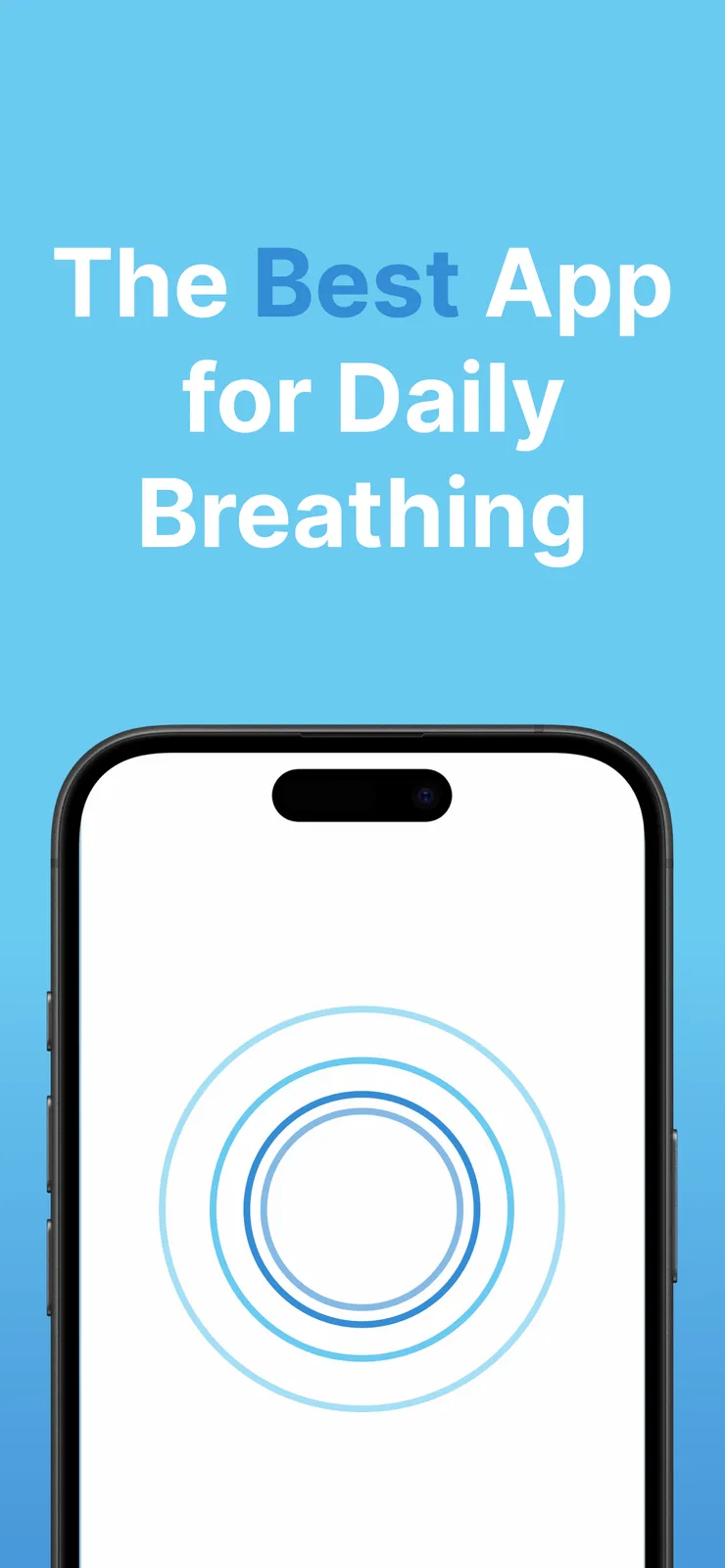
BreathInU is your everyday app for quick, effective work breaks. It combines breathing, stretching, eye exercises, and light movement to help you feel better during the workday. No equipment, no prep, just a few minutes to reset. Choose from individual exercises when you need them. Breathe through stress. Stretch out tightness. Give your eyes a break. Or take a break with one of our guided flows. It's all here to help you reset and feel good again.
4. Mindful Slumber: Tibetan Dream Yoga: Best for anxiety
Tibetan Dream Yoga for a Calm Mind & Restful Sleep
- Platforms
- iOSAndroid
- Pricing
- Free, in-app purchases from $9.99, contains ads
- MindScout likes
- 4
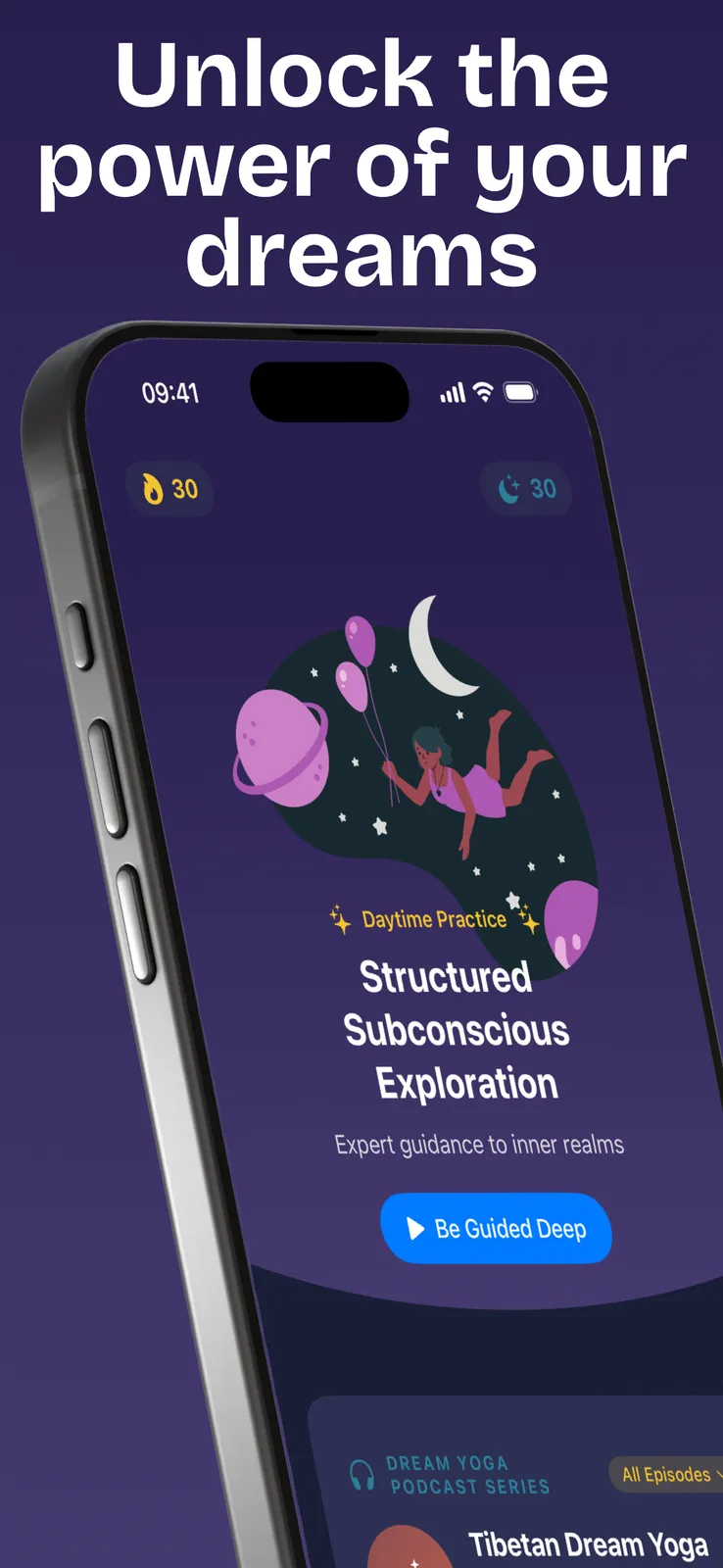
Mindful Slumber isn’t just a sleep tracker or another meditation app. It’s designed to help you: 🌌 Use lucid dreaming as a healing practice → Face and process anxiety, fear, trauma, and subconscious patterns safely in dreams. 🛌 Sleep more mindfully, dream with intention → Learn ancient Tibetan Dream Yoga practices in modern, approachable steps. 🧠 Grow through your unconscious → Cultivate awareness while dreaming to spark real-world insights, emotional release, and spiritual growth.
5. Shuu: Best for ADHD
Minimalist, privacy-first breathing app with spatial sound and affirmations
- Platforms
- iOSAndroid
- Pricing
- Free
- MindScout likes
- 4
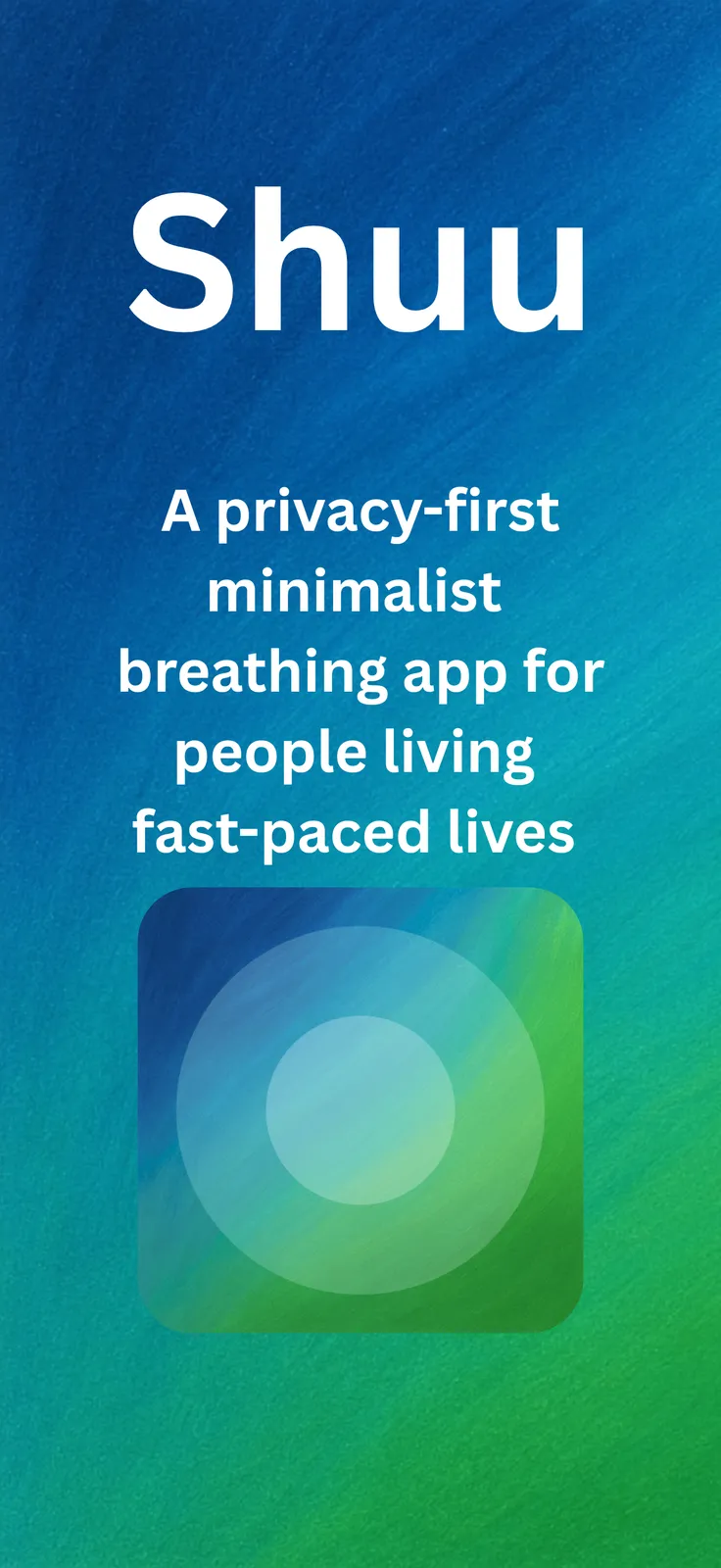
Shuu is a radically minimalist breathing app designed for fast minds. It offers 60-second breathing sessions, daily affirmations, and immersive spatial audio without logins, tracking, or distractions. No subscriptions, no pressure, just a quiet moment when you need it. Integrates with Apple Health and includes a home screen widget for gentle daily check-ins. Privacy-first and guilt-free.
6. Calm: Best for meditation
Sleep stories, meditation, music & relaxation
- Platforms
- iOSAndroid
- Pricing
- Free, in-app purchases from $0.99
- MindScout likes
- 2
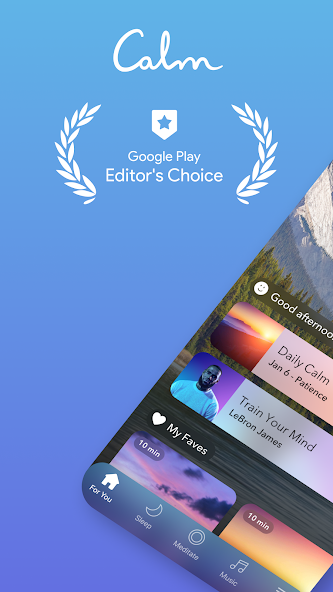
Calm is a top-rated app for sleep, meditation, relaxation, breathwork, and stress reduction. It includes guided sessions, sleep stories, soundscapes, stretching exercises, and self-healing tools supported by science.
7. Exoplan: Best for ADHD
Health-Driven Calendar
- Platforms
- iOS
- Pricing
- Free, in-app purchases from $9.99
- MindScout likes
- 2
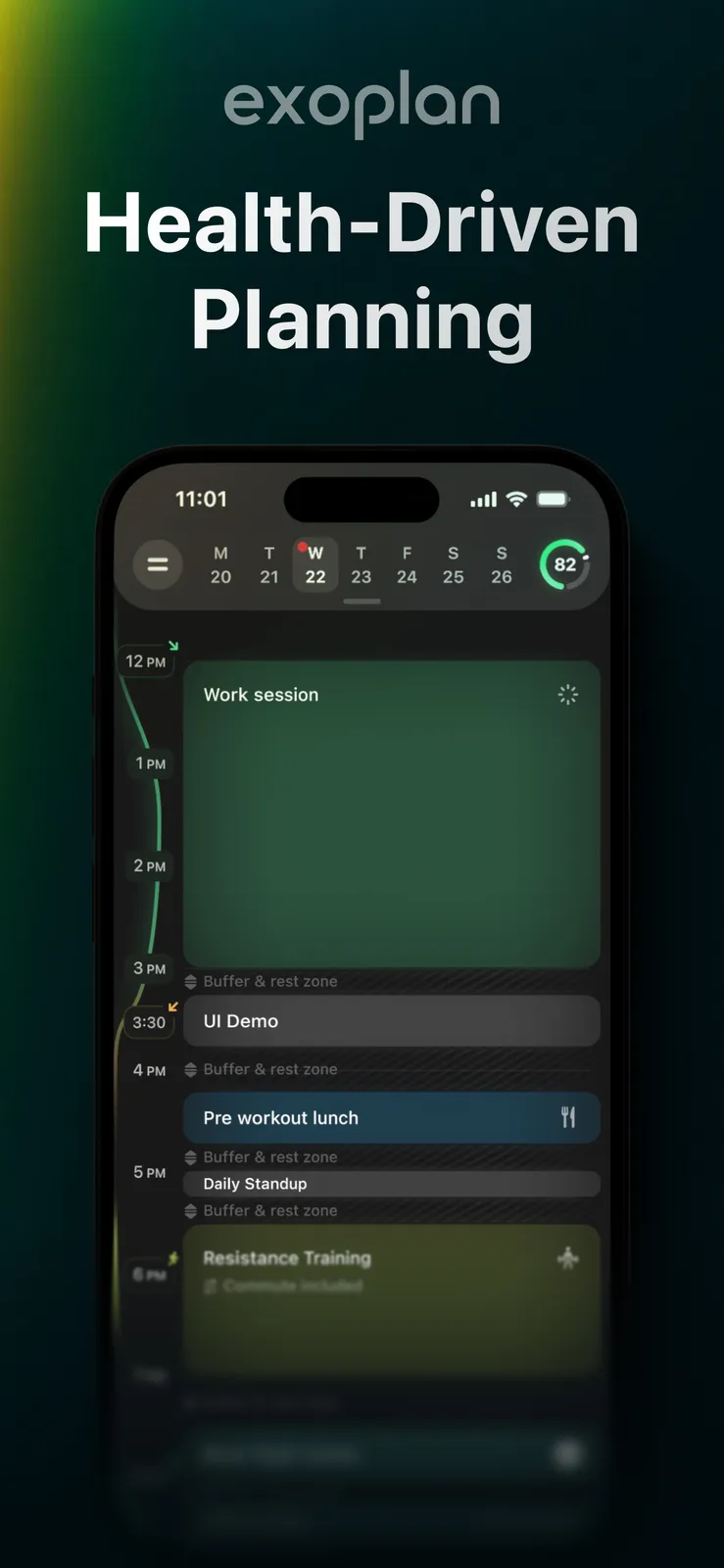
A calendar that syncs with your body signals to get you more productive and less stressed. It allows you to see your energy peaks, and seamlessly schedule according to them.
8. Loomi - Habit tracker buddy: Best for virtual pet
A self-care habit tracker that grows your virtual pet
- Platforms
- iOS
- Pricing
- See website
- MindScout likes
- 2
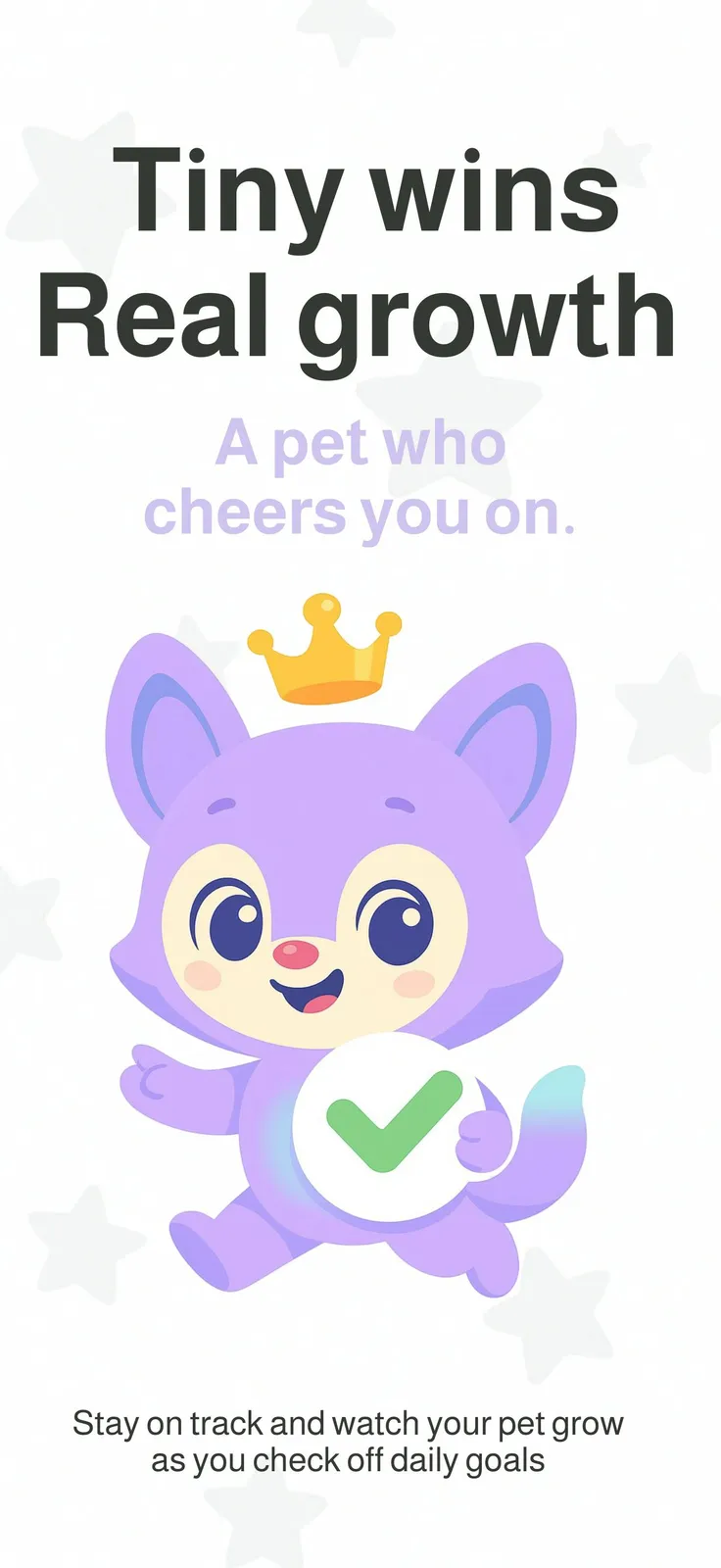
Loomi is a gamified habit tracker where your self-care fuels the growth of a virtual pet. Build better routines, stay consistent, and watch your companion evolve with you. Designed to make wellness feel fun, rewarding, and emotionally engaging.
9. Quabble: Best for mental health
An all‑in‑one mental wellness app with mind workouts, journaling, meditation and a cute virtual companion.
- Platforms
- iOSAndroid
- Pricing
- Free, in-app purchases from $0.99
- MindScout likes
- 2
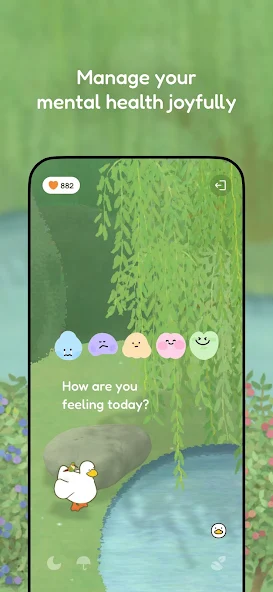
Quabble by museLIVE Inc. offers holistic daily mental wellness tools—from mood tracking, meditation, journaling, sleep routines to anxiety and stress management. It guides you through structured mind workouts like Gratitude Jar, Bamboo Forest and Proud Dandelion, and features a virtual duck companion and community support. Includes a 15‑day First Bloom habit program, wellness radar, and home-screen widgets to keep routines top‑of‑mind.
10. Reflectly: Best for journaling
AI-powered personal journal & mood tracker
- Platforms
- iOSAndroid
- Pricing
- Free, in-app purchases from $4.99
- MindScout likes
- 2

Reflectly is a personal AI journal that helps manage negative thoughts, increase positivity, and educate you on well‑being science. It offers daily insights, mood tracking, prompts, and a friendly conversational interface.
11. Stoic: Best for journaling
Daily journal & mental health companion
- Platforms
- iOSAndroid
- Pricing
- Free, in-app purchases from $6.99
- MindScout likes
- 2
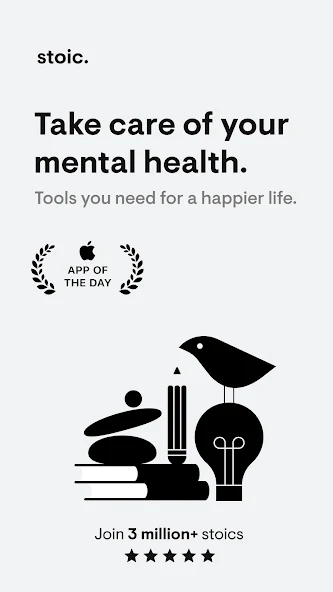
Stoic is a mental health and journaling app with morning and evening routines, mood tracking, prompts, and insights to boost happiness, productivity, and resilience. It’s used by over 3 million users.
12. CareOps: Best for mental health
Psychotherapy-technique-informed AI counseling through voice and text
- Platforms
- iOSAndroid
- Pricing
- See website
- MindScout likes
- 1
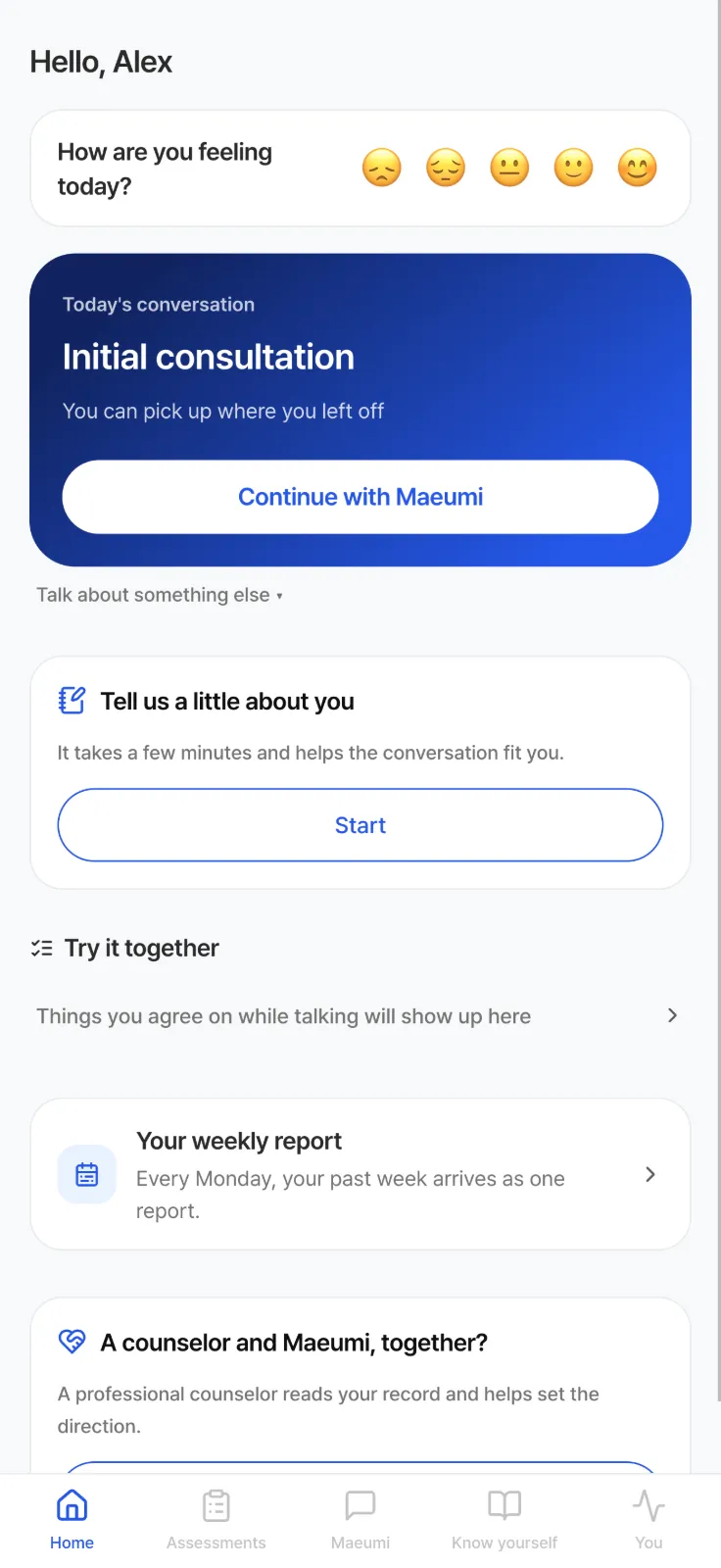
CareOps is an AI counseling app informed by psychotherapy techniques. Structured voice and text conversations help people reflect on everyday worries, with practical exercises to use between sessions. Available on iOS and Android. A free introductory session is followed by a paid subscription. CareOps does not provide diagnosis or replace professional mental health care.
Best free options
- Finch: Free, in-app purchases from $1.99
- Daylio: Free, in-app purchases from $0.99, contains ads
- BreathInU: Free, in-app purchases from $5.99
- Mindful Slumber: Tibetan Dream Yoga: Free, in-app purchases from $9.99, contains ads
- Shuu: Free
- Calm: Free, in-app purchases from $0.99
- Exoplan: Free, in-app purchases from $9.99
- Quabble: Free, in-app purchases from $0.99
- Reflectly: Free, in-app purchases from $4.99
- Stoic: Free, in-app purchases from $6.99
What a self-care app can do for you
Self-care covers a lot of ground, and so do the apps. Most of them fall into a few groups, and many combine two or three.
Mood trackers and journals help you notice how you feel. A quick daily check-in, a rating or a few words, builds into a picture of your weeks, so you can see what lifts your mood and what drains it. Micro-journals take seconds a day; fuller journals add prompts and room to reflect.
Meditation, breathing and sleep apps help you calm down and switch off. Guided sessions, breathing exercises and sleep stories give you something concrete to do when your head is busy, and most sessions last between two and twenty minutes.
Habit and routine apps turn self-care into small daily steps: drink water, go outside, stretch, go to bed on time. Some wrap those steps in a game or a virtual pet that grows as you look after yourself, which many people find easier to keep up than a plain checklist.
AI companions let you talk things through, reframe a worry or plan a difficult day. They can be useful alongside other support, but read how your conversations are stored before you share anything personal.
Self-care apps for busy parents and moms
When most of the day belongs to children, work and a household, self-care has to fit into the gaps: the school run, a nap time, the ten minutes after everyone is in bed. The apps that tend to stick in that situation ask for very little: a one-tap check-in, a three-minute breathing exercise, a short sleep meditation you can start in the dark.
A few things make an app easier to live with as a parent. Sessions you can pause and pick up again, because interruptions are guaranteed. Audio that works offline and with the screen off. Reminders you set for your own quiet moments rather than the app’s. And a gentle tone: a streak that breaks the first time a child is ill turns self-care into one more thing to feel guilty about.
For a shorter list built around those needs, see our guide to self-care apps for busy moms in the related guides below.
Free and paid self-care apps
Most self-care apps can be used for free. The usual model is freemium: the core check-in, journal or a set of sessions is free, and a subscription unlocks the full library, deeper insights or extra customisation. Some apps show ads instead, and a few charge a one-off price.
The pricing on each entry above comes from the App Store and Google Play listings, including the lowest in-app purchase where there is one. Prices differ by country and change over time, so check the store before you pay. A sensible approach is to use the free version for two weeks; if you are still opening the app by then, the paid tier may be worth it.
How to choose
Start with one need: mood, stress, sleep, routines, or simply a moment for yourself each day. One app you use beats five that sit in a folder.
Look at how long a session takes. If you have two minutes, pick an app built around quick check-ins rather than long courses.
Check what the free version includes before you sign up, and whether a free trial turns into a paid subscription automatically.
Read store ratings together with the number of ratings; 4.8 from thousands of people says more than 5.0 from a dozen.
Look for privacy basics: a passcode or Face ID lock for journals, and a clear policy on how your data is stored and whether AI features process it.
Make sure it works on the devices you use, and look for widgets or reminders if you tend to forget.
Choose a tone that suits you. Some apps are playful, with pets and rewards; others are calm and minimal.
Frequently asked questions
What is a self-care app?
An app that helps you look after your mental and physical wellbeing in small, regular steps: mood tracking, journaling, meditation, breathing, sleep and daily habits. Many combine several of these.
Which self-care app is best?
There is no single best app for everyone. The list above is ordered by likes from the MindScout community, and each entry shows what the app is best for, so start with the one that matches what you need most, such as mood, sleep or habits.
Is there a good self-care app for moms?
Any app with short sessions and flexible reminders can work around a busy family day. See the section on busy parents above, and our separate guide to self-care apps for busy moms.
How much time do self-care apps need each day?
Usually a few minutes. Mood check-ins take seconds, and breathing or meditation sessions often run from two to ten minutes. Doing a little every day matters more than doing a lot once a week.
Can a self-care app replace therapy?
No. Self-care apps are good at small, regular habits and some are designed to complement therapy, but they do not treat health conditions. If low mood, worry or exhaustion have affected your daily life for more than a couple of weeks, talk to a doctor or a mental health professional; in a crisis, contact your local emergency number or a crisis line.
Are my journal entries and mood data private?
It depends on the app. Look for a passcode lock and export options, and read the privacy policy on the app’s website before writing anything sensitive, especially in apps with AI features.
How are these apps ranked?
By the number of likes each app has from the MindScout community. Store ratings and pricing are shown for reference and do not change the order.
Which of these apps are free?
10 of the 12 apps here can be used for free: Finch (free, in-app purchases from $1.99); Daylio (free, in-app purchases from $0.99, contains ads); BreathInU (free, in-app purchases from $5.99); Mindful Slumber: Tibetan Dream Yoga (free, in-app purchases from $9.99, contains ads); Shuu (free); Calm (free, in-app purchases from $0.99); Exoplan (free, in-app purchases from $9.99); Quabble (free, in-app purchases from $0.99); Reflectly (free, in-app purchases from $4.99); Stoic (free, in-app purchases from $6.99). Store pricing can differ by country.